|
 Home Home
 Events Events
 Helicopters Helicopters
 Membership Membership
 Building
Projects Building
Projects
 Electric
Gliders Electric
Gliders
Float
Planes
Flying
Field
 For
Sale For
Sale
Newsletters
Indoor
Flying
Links
 Mall
Show Mall
Show
Maps
Meetings
Metro
Photo
 Gallery Gallery
Photo
Gallery
September
Fest
|
|
Rick
Lingenfelter built the FT Spitfire |
|
I just scratch built the FT Spitfire from plans on this site. What a
great flyer! The guys at La Vista field this Sunday at the fun fly
asked me to get in touch with you to post a link and some comments
on the web site.
Josh Bixler and crew are designing all the
time, and now have 10 planes in the Swappable Series. The Spitfire
is just the latest in the series, and I couldn't wait to jump into
one. They're built from Dollar Tree foam board with a common power
pod. This means you can transfer your motor, ESC, RX and battery
from model to model. It's cheap, easy and fun! Many of the plans can
be built from one or two sheets of foam board, hot glue, a few
barbecue skewers and some 3/32" ply. I built my Spitfire in two
evenings using spare electronics I just had laying around. I did
splurge on a $15 motor and a new RX.
Rick Lingenfelter=
http://flitetest.com/
|
|
Fred
Tuckerman's Lightning Dart Flying Wing |
 |
Fred has written
an excellent article on building the wing. Keith |
Here's the
build thread I posted on RCGroups.com today covering the
Lightning Dart I put together over the last couple of months.
It shouldn't have taken that long, but I tend to get pulled in
quite a few directions. Anyway, hope you enjoy. The videos are
in post #9. Fred
http://www.rcgroups.com/forums/showthread.php?t=1061721#post12410250
|
|
Dave
Cantrell's Cessna 310 |
|
First of all I would like to say that I think Dave's project is just
great. I am very interested in building small scale twin engine
indoor electric airplanes. The twin is made from parts from the
Cessna 210, 18 gram plane that is now so popular. The nacelles
where made from scratch and the fuselage was modified from the high wing
210. The wing is the same wing that is on the 210. Dave has
posted some pictures on R/C Groups. Take a look and see if you too
don't think this is a great kit bashing project!. Here is a link
to the pictures.
http://www.rcgroups.com/forums/showthread.php?t=793362 |
|
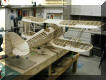 |
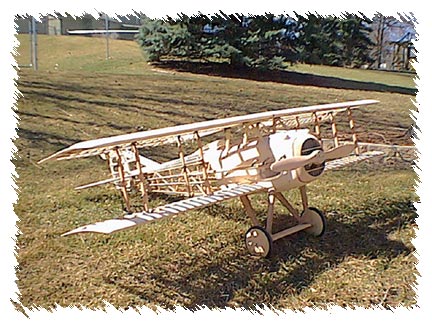
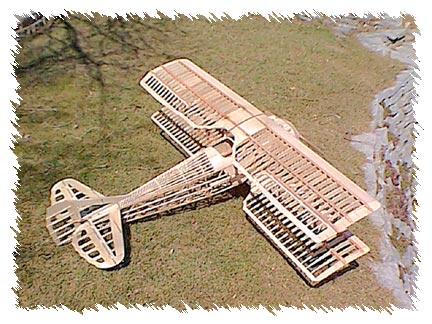
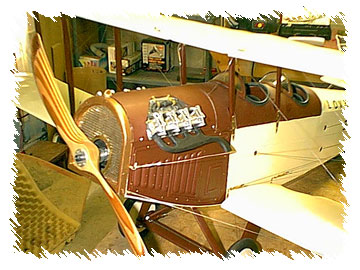
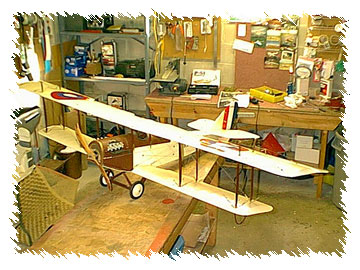
Ed's building project is a
WACO 1/5th Scale YMF-3. This is a scale model of an open cockpit
biplane built in the mid-1930’s. Ed is building it from an old
PICA kit that was sold in the mid '90s. PICA went out of business
a couple of years ago and was recently purchased by Cox
Hobbies. However, kits are not yet available from them.
Click for Pictures |
 |
|
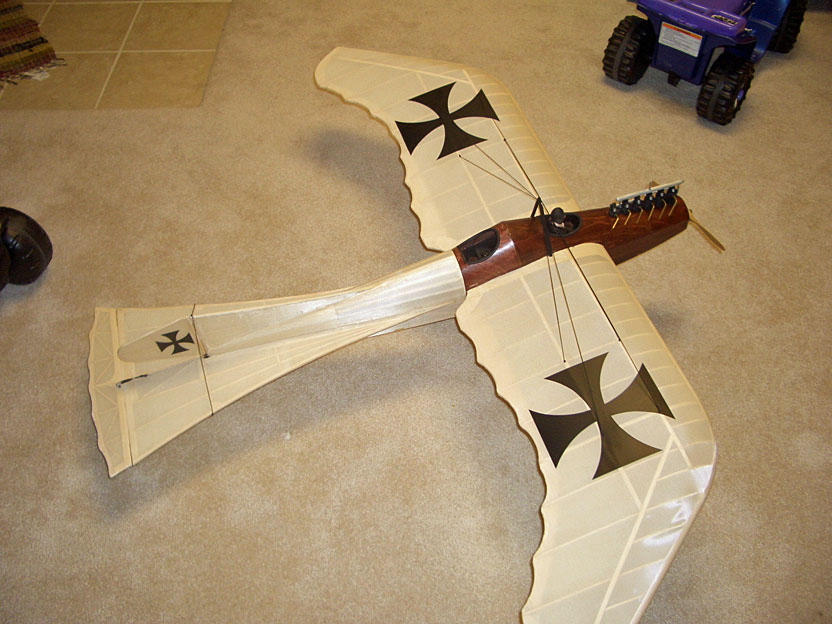
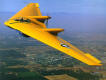
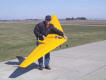
Dean's
second flying wing project |
|
|
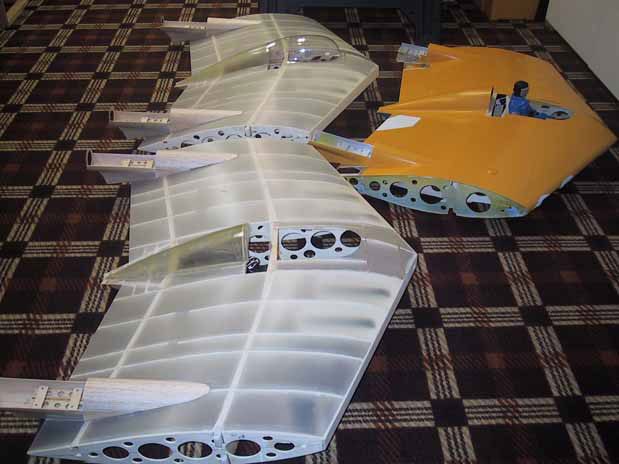
Keith,
I have attached some in progress pictures of the wing; first
one is of the 33 inch center sections (original and the two
new ones).
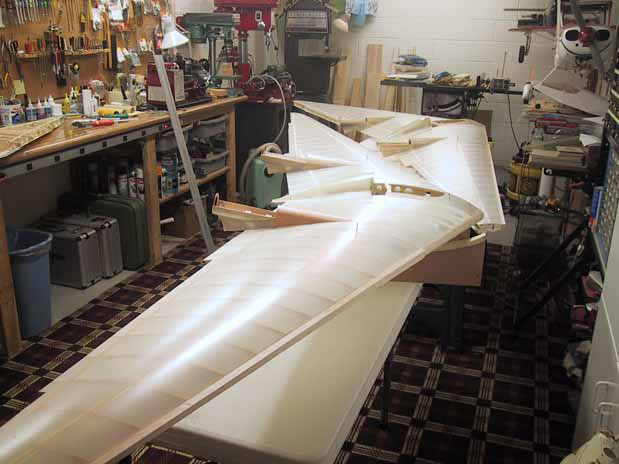
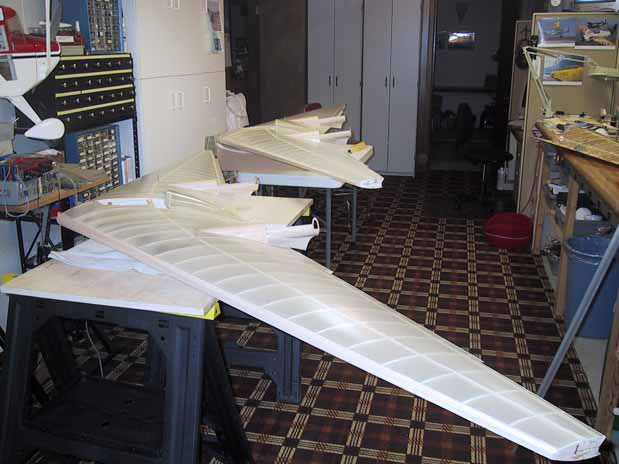
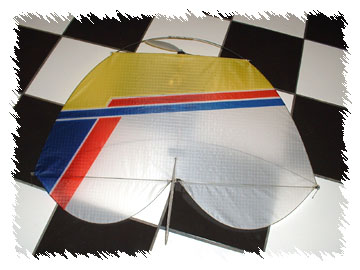
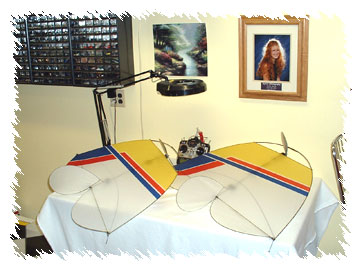
Second and third photos are both wings assembled; looks like
Northrop’s assembly line, each have a ten foot wing span. Not
much room in the shop when they are together but wanted to see
what it looks like with the two put together. The reason they
are both assembled is that every thing I do to one I do to the
second one right away and this step required assembly. Both
planes are at the same point of construction at all times. I
have them numbered 1 & 2 (1 being the primary one and 2 the
back up). I always do the next step on the #2 plane and then
on the #1 plane, this should make the #1 plane the better of
the two but #2 is turning out to be equal. Things are going
well and the new ones are much more precise than original with
lots of improvements. One improvement is the turtle decks,
nacelles and belly pans are fiberglass (this required plugs
and molds; lots of work but worth it). I am approx. 3 months
ahead of the project as compared to last year when I was only
building one; I have been reverse engineering the first one
which has saved lots of time since all the time consuming
design has been done. With a little luck and a back up I
should have one for the 2007 Top Gun. (I received my
invitation a couple week ago). Top Gun is May 2 thru the 5th,
2007. Joyce and I are really looking foreword to going again
and hope the wing will be everything that I am hoping for.
Dean
|
|
Dean's
Original Flying Wing |
|
|
|
|
|
|
| Dean Copeland's
Flying Wing Project - Page1 |
Dean's Wing - Page2 |
Dean's Finished Wing |
Deans Skyvan |
|
|
|
|
|
|
|
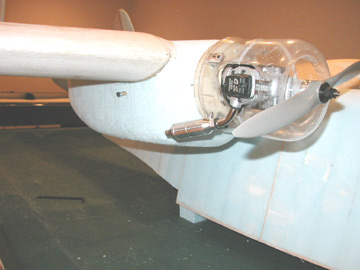
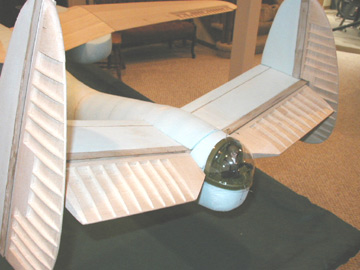
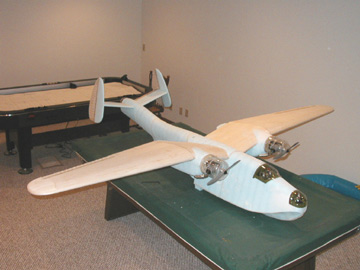
Ed Splittgerber
and Gale Sherman are building two matching Martin PBM Mariners
The pictures are of Ed's plane which is ready for covering
with fiberglass and epoxy. Gale's plane is also close to this
stage. They plan to start fiber glassing in March after Ed
returns from Texas. (These two planes are really
going to ad excitement to the Float Flys this summer). |
|
|
|
|
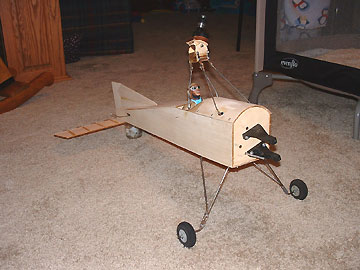
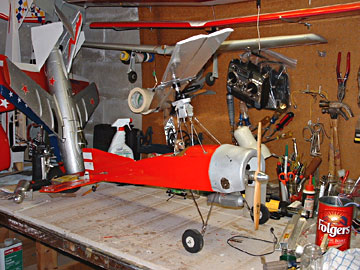
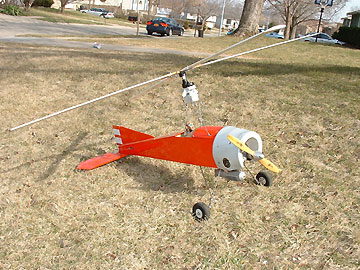
Joe Cole is
building this auto gyro. Way Cool! |
Joe's gyro. |
|